
Sarcoidosis is an inflammatory condition that can affect many parts of the body. What makes it unique is its ability to affect each person so differently. This unpredictability highlights the complexity of the condition but also creates a lot of confusion surrounding it. Some people experience only mild symptoms that improve without the use of medication, whereas others develop long-term symptoms which can affect multiple organs. The unpredictability and uncertainty this brings often adds to the stress of daily life, making it difficult to make plans as patients don’t know how their condition will be from day to day. Though there are treatments such as steroids and biological therapies, there is no known cure.
Sarcoidosis is characterised by a dysregulated inflammatory process. Although the exact trigger is still not understood, it is thought to involve an abnormal immune response, possibly to environmental factors. The immune system responds by causing inflammation. This is the body’s way of protecting itself.
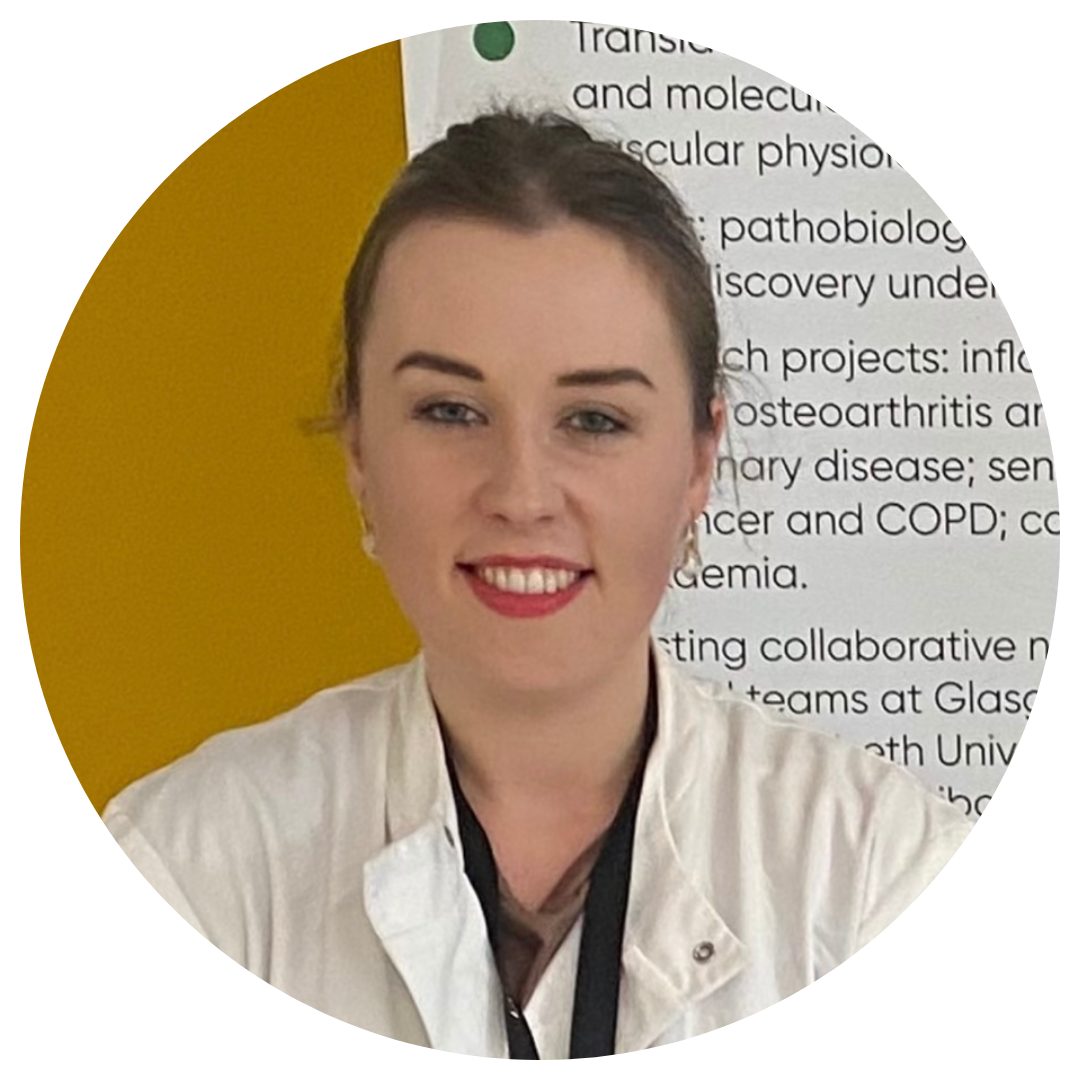
Jennifer Loudon is a PhD researcher in immunology specialising in inflammatory lung disease. She is passionate about making science accessible and raising awareness of conditions like sarcoidosis.
Under normal circumstances, immune cells like macrophages release signalling proteins called cytokines. These cytokines then recruit other immune cells to the area to respond to the perceived threat. Once the trigger is gone and the inflammation has done its job, it settles down on its own. But in sarcoidosis, this immune response is not regulated properly and so can contribute to the formation of granulomas. These are small clusters of immune cells that sustain ongoing inflammation, leading to symptoms. Symptoms can vary widely, from mild cough and fatigue to more serious complications affecting breathing or other organs.
One of the main reasons sarcoidosis differs so much is the activity of the immune system, which varies from person to person. In some people, inflammation is well controlled but in others, the immune system remains active for longer, sometimes requiring years of treatment.
In addition to immune differences, environmental factors may also play a role in the changeable nature of the condition. Though more research is required to confirm the exact triggers, exposures to certain viral and bacterial infections, dust and pollution may contribute to the ongoing immune response seen in sarcoidosis. These triggers may cause a strong immune response in some people which can lead to symptoms.
The unpredictability of sarcoidosis can make it a difficult condition to diagnose and treat. Better awareness of why the condition differs so much may help ease patients’ frustration, reassuring them that they are not to blame for their changing symptoms and that they are not alone. Ongoing research into the immune system provides hope for better treatments and improved quality of life for people living with this condition.